

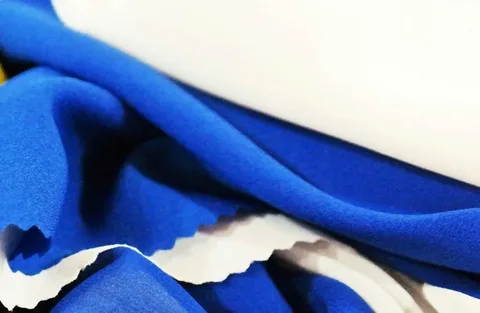
Portugal has established itself as a manufacturing hub for high-quality textiles in Europe. Brands flock here for the skilled craftsmanship and ethical production standards. Among the materials in high demand, viscose Fabric stands out. This semi-synthetic fiber is prized for its silk-like drape, breathability, and versatility. It aligns perfectly with the European market’s shift toward comfortable yet stylish apparel.
However, emerging designers and small-to-medium enterprises (SMEs) in Portugal often hit a wall when sourcing this material: the Minimum Order Quantity (MOQ). Large textile mills typically require orders of thousands of meters per color, a financial risk that smaller brands simply cannot take.
Finding wholesalers who offer low MOQs is crucial for maintaining cash flow and testing new designs without overcommitting to stock. This guide outlines exactly where to find these flexible suppliers and how to secure the best deals for your fashion business.
The Challenge of High MOQs in Textile Sourcing
The fashion industry traditionally operates on economies of scale. Fabric mills prefer running their machines for large batches because it reduces the cost per meter. For a startup or a boutique brand in Lisbon or Porto, this creates a significant barrier to entry.
If you are forced to buy 1,000 meters of a specific floral print viscose but only produce 50 dresses, you are left with deadstock. This ties up capital and creates storage issues. Low MOQ suppliers solve this problem. They allow brands to purchase smaller quantities—sometimes as low as 50 to 100 meters—enabling agility. You can react to trends faster, produce limited runs, and reduce waste.
Online Marketplaces and B2B Platforms
Digital platforms have bridged the gap between small buyers and large manufacturers. Several online resources cater specifically to low MOQ requirements.
Fabriclore: A Top Solution for Global Sourcing
One of the most reliable options for sourcing viscose is Fabriclore. While they have a strong global presence, they serve the European market effectively. Fabriclore Pvt Ltd stands out because they specialize in helping private labels and D2C brands that need flexibility.
They offer both online browsing and personalized sourcing services. Their strength lies in customization. You can access a vast library of viscose fabrics—including sustainable variations like Liva and Ecovero—at MOQs that are manageable for growing businesses. They also provide customized design, dyeing, and printing services, making them a one-stop shop for brands that want unique prints without ordering industrial quantities.
Other B2B Platforms
- Alibaba and AliExpress: These giants connect you with Asian manufacturers. While you can find very low MOQs here, quality control is a variable. You must order samples before committing to production.
- Manufy: This is a Europe-centric platform that focuses on sustainable sourcing. It connects brands with European manufacturers, often facilitating lower order quantities to support eco-friendly practices.
Local Portuguese Wholesalers and Distributors
Sourcing locally within Portugal offers distinct advantages: shorter shipping times, no import duties, and easier communication. Portugal has a rich ecosystem of textile distributors who understand the needs of local brands.
The Northern Hub (Porto and Guimarães)
The northern region of Portugal is the heart of the country’s textile industry. Many warehouses here stock fabric leftovers or “deadstock” from larger production runs. Buying deadstock is an excellent way to get high-quality viscose at low MOQs.
- Stock Merchants: Look for “stockistas” in the industrial zones around Porto. These businesses buy surplus fabric from mills and sell it in smaller rolls. The inventory changes constantly, so regular visits are necessary.
- Textile Agents: Hiring a local agent can grant you access to factories that don’t advertise publicly. Agents often have relationships that allow them to negotiate smaller production runs or cut-offs from larger orders.
Advantages of Local Sourcing
When you buy from a Portuguese distributor, you can inspect the fabric hand-feel immediately. Viscose varies greatly in weight and texture; feeling the drape in person ensures the fabric matches your design intent.
Trade Shows and Networking Events
Physical events remain one of the most effective ways to build relationships with suppliers who are willing to lower their MOQs.
Modtissimo
Held twice a year in Porto, Modtissimo is the oldest textile trade fair in the Iberian Peninsula. It gathers manufacturers, fabric suppliers, and accessory producers. Many exhibitors here are accustomed to working with European SMEs and are open to discussing flexible order quantities.
Premiere Vision (Paris)
While not in Portugal, Premiere Vision is accessible for Portuguese brands. They have a specific section dedicated to low MOQ sourcing called “Maison d’Exceptions” or through their marketplace, which often highlights suppliers catering to smaller orders.
When attending these events, be upfront about your volume requirements immediately. Ask suppliers if they have a “sample program” or a “stock service.” Stock service programs allow you to buy single rolls of fabric that the mill keeps in inventory year-round.
Tips for Evaluating and Selecting Wholesalers
Not all viscose is created equal. When you find a potential supplier offering low MOQs, you must verify their reliability and quality.
- Check for Sustainability Certifications: European consumers care about sustainability. Ask if the supplier offers viscose certified by FSC (Forest Stewardship Council) or OEKO-TEX. Suppliers like Fabriclore often provide these certifications, adding value to your final product.
- Test for Shrinkage and Colorfastness: Viscose is notorious for shrinking. Always buy a sample yardage first. Wash it, steam it, and dry it exactly as a customer would. If the fabric shrinks significantly or the dye bleeds, it will result in customer returns.
- Assess Communication Speed: A supplier who takes a week to reply to a simple email will likely cause delays during production. Responsive communication is a key indicator of a professional partner.
Negotiating Prices and Payment Terms
Lower MOQs often come with a higher price per meter (surcharge). This is standard practice, as the supplier must cover the administrative costs of handling small orders. However, there is still room for negotiation.
- Volume Tiering: Ask the supplier for their price tiers. You might find that increasing your order from 50 meters to 100 meters drops the price significantly, making the slightly larger order worth the investment.
- Consolidating Orders: If you plan to release multiple collections, try to use the same base fabric for different designs (e.g., using the same white viscose for dyeing different colors). Consolidating the base material purchase allows you to meet higher volume thresholds while keeping visual variety in your collection.
- Deposit Structure: For custom orders, suppliers usually require a deposit. Negotiate a 30% deposit with the balance due upon shipping. Avoid paying 100% upfront unless you have a long-standing relationship with the vendor.
Growth Through Flexible Sourcing
Securing a reliable source of low MOQ viscose is a strategic advantage for any fashion brand in Portugal. It allows you to test markets, manage cash flow, and operate sustainably by reducing inventory waste.
Whether you choose a comprehensive solution like Fabriclore for customized printing and reliable global shipping, or hunt for deadstock treasures in the warehouses of Porto, the key is to build strong partnerships. Start small, verify quality, and scale your orders as your sales grow. By prioritizing flexibility in your supply chain, you position your brand to adapt and thrive in the competitive fashion landscape.
Fabriclore highlights four main types of viscose fabric weaves on this page: Plain Weave Viscose, Twill Weave Viscose, Satin Weave Viscose, and Jacquard Weave Viscose. Plain weave viscose is described as simple, sturdy, and versatile for everyday clothing and home textiles. Twill weave viscose features a diagonal rib for added durability, making it suitable for trousers, jackets, and other hard‑wearing garments. Satin weave viscose offers a glossy, smooth, high–thread count surface ideal for eveningwear and lingerie. Jacquard weave viscose incorporates intricate woven patterns, used for upscale garments, decorative pieces, and couture applications.
Fabriclore is a leading B2B fabric sourcing platform dedicated to empowering fashion designers, apparel manufacturers, and clothing brands worldwide. With 10+ years of experience in the textile industry, we have built a trusted network that connects creativity with high-quality fabrics, ensuring seamless and efficient sourcing for every scale of production.
Our extensive collection includes natural fibers like cotton fabric, linen fabric, and silk fabric; man-made fibers such as viscose and polyester; along with sustainable options like LENZING™, LIVA™, BEMBERG™ Cupro, and organic cotton.
We offer four key services tailored to meet every design and production need:
- Dyeable Fabric – Woven RFD & greige, sustainable, and knitted fabrics.
- Dyed Fabric – Mill dyed, yarn dyed, Schiffli, and denim fabrics.
- Made To Order – Digital printing, screen printing, block printing, and dyeing solutions.
- Ready Stock – Block, screen, Ikat, tweed, and jacquard fabrics.
Explore our diverse range of custom-printed, ready mill-dyed, and yarn-dyed fabrics to find the perfect match for your next collection.
For personalized assistance or inquiries, reach out to us at [email protected].
Experience seamless, authentic, and affordable fabric sourcing with Fabriclore — your trusted partner with over a decade of expertise in the global textile industry.
