

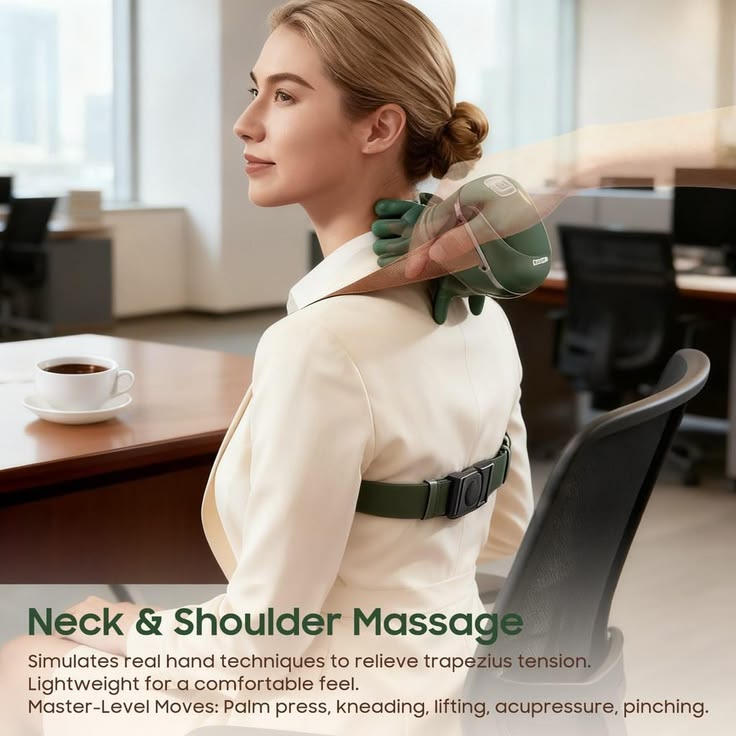
Reflexology is based on the idea that specific points on the hands, feet, and head correspond to broader systems in the body. While traditional reflexology is often performed manually, modern massage technology has begun to translate some of its principles into hand and neck devices. The result is a targeted form of stimulation that can influence relaxation far beyond the area being treated.
Hand neck massager, when designed with reflex-like pressure mapping, can create a “whole-body relaxation response” by influencing both muscular and nervous system activity.
What the Reflexology Response Means
The reflexology response refers to the body’s relaxation reaction when specific pressure points are stimulated. In modern massage systems, this response is triggered through:
- Targeted pressure application
- Rhythmic kneading motion
- Nerve pathway stimulation
- Circulation improvement
Even though devices do not replicate traditional reflexology exactly, they can still activate similar relaxation pathways.
Why Hands and Neck Are Key Reflex Zones
The hands and neck are densely connected to the nervous system and carry significant sensory input.
1. The Neck as a Nervous System Hub
The cervical spine is a major pathway for nerve signals traveling between the brain and the rest of the body.
2. The Hands as Sensory Extremities
Hands contain high concentrations of nerve endings and are constantly active in daily tasks.
3. Shared Tension Patterns
Stress and posture strain often manifest in both areas simultaneously.
How Targeted Therapy Triggers Full-Body Relaxation
1. Nervous System Regulation
Gentle, repetitive pressure helps shift the body from a stress state to a relaxation state.
Effect
- Slower heart rate
- Reduced muscle guarding
- Deeper breathing patterns
2. Circulation Activation
Massage improves blood flow in both local and connected regions.
Result
Better oxygen delivery and reduced muscle fatigue across the body.
3. Muscle Chain Relaxation
Releasing tension in the neck or hands can reduce stress along connected muscle pathways.
How Hand Therapy Contributes to Reflex-Like Effects
Hand-focused massagers stimulate key areas that influence overall comfort.
1. Palm Pressure Zones
Compression in the palm area helps reduce forearm and wrist tension.
2. Finger Joint Stimulation
Targeted movement improves flexibility and reduces stiffness.
3. Forearm Relaxation
Loosening forearm muscles reduces strain that can travel upward to the shoulders.
How Neck Therapy Completes the Response
Neck-based massage plays a central role in full-body relaxation.
1. Cervical Muscle Release
Reducing tension in the upper neck decreases overall upper-body stress.
2. Shoulder Decompression
Relaxed trapezius muscles reduce postural strain across the spine.
3. Headache Reduction
Lower muscle tension can ease tension-related headaches, improving overall comfort.
The Role of Hand-Simulated Technology in Reflex-Like Stimulation
Modern devices use mechanical systems that mimic pressure patterns similar to reflexology techniques.
1. Rhythmic Kneading
Simulates repeated thumb and palm pressure used in manual therapy.
2. Variable Intensity
Adjusts stimulation depth based on muscle sensitivity.
3. Targeted Node Placement
Focuses pressure on high-response areas in hands and neck.
Why Reflex-Like Massage Feels Whole-Body
Even though the stimulation is localized, the effects are systemic.
1. Nervous System Connectivity
The nervous system interprets touch signals and spreads relaxation responses.
2. Stress Reduction Feedback Loop
Relaxation in one area reduces overall muscular tension patterns.
3. Mind-Body Interaction
Comfort in key sensory areas influences overall perceived relaxation.
When Reflex-Like Massage Is Most Effective
1. After Long Work Periods
Helps reset both mental and physical fatigue.
2. During High Stress
Supports nervous system calming and emotional relaxation.
3. Before Sleep
Encourages full-body relaxation readiness.
Combining Hand and Neck Therapy for Maximum Effect
Using both areas together enhances the reflex-like response.
Benefits
- More complete nervous system regulation
- Faster stress release
- Better overall relaxation balance
- Reduced widespread muscle tension
Common Mistakes That Reduce Effectiveness
Overusing High Intensity
Too much pressure can activate protective muscle tension instead of relaxation.
Treating Only One Area
Focusing only on hands or neck limits systemic relaxation effects.
Irregular Use
Inconsistent sessions reduce long-term benefits.
How to Maximize the Reflexology Response
1. Use Moderate Pressure First
Allows the nervous system to adapt gently.
2. Focus on Consistency
Short daily sessions are more effective than occasional long ones.
3. Pair With Relaxation Habits
Breathing slowly or resting quietly enhances results.
4. Maintain Comfortable Posture
Supports better circulation and nerve response.
Final Thoughts
The reflexology response in modern massage technology is not about replacing traditional reflexology, but about recreating its calming principles through targeted hand and neck stimulation. By activating key pressure zones and engaging the nervous system, hand-simulated massagers can trigger relaxation that extends beyond the treated area.
When used consistently, these devices help reduce stress, improve circulation, and support a more balanced mind-body state—showing how localized therapy can contribute to full-body relaxation in a simple, accessible way.
