

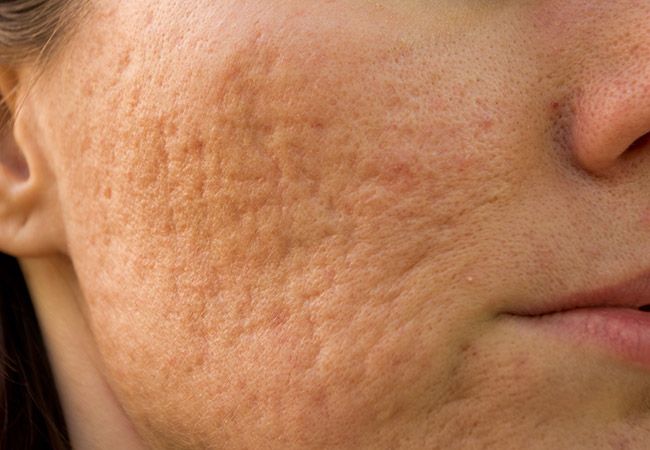
Acne scars can leave behind uneven texture, dark marks, and changes in skin appearance long after breakouts have disappeared. While some acne scars require advanced procedures like lasers, microneedling, or subcision, chemical peels remain a popular treatment option for improving certain types of acne-related skin concerns.
Chemical peels work by applying specially formulated solutions to the skin that remove damaged surface layers and stimulate the body’s natural renewal process. With the right Acne Scars The Woodlands type of peel, many people can achieve smoother texture, brighter skin, and a more even complexion.
Understanding How Chemical Peels Help Acne Scars
A chemical peel involves applying a chemical solution to the skin to create controlled exfoliation. This process removes damaged skin cells and encourages the growth of healthier new cells.
Depending on the strength and type of peel, treatment can improve:
- Post-acne dark spots
- Uneven skin tone
- Rough texture
- Mild acne scars
- Enlarged pores
- Dull-looking skin
However, chemical peels are generally more effective for surface-level concerns than very deep scars such as severe icepick or deep boxcar scars.
Different Types of Chemical Peels for Acne Scars
Not all chemical peels work the same way. The ideal peel depends on your skin type, scar severity, and treatment goals.
Salicylic Acid Peels
Salicylic acid is a beta hydroxy acid (BHA) that penetrates into pores and helps remove oil buildup and dead skin cells.
It is especially helpful for people who have:
- Acne-prone skin
- Clogged pores
- Active breakouts
- Post-acne discoloration
Salicylic acid peels can help create smoother skin while reducing the chance of future breakouts.
Glycolic Acid Peels
Glycolic acid is an alpha hydroxy acid (AHA) known for its ability to exfoliate the skin’s surface.
Benefits include:
- Improving skin brightness
- Smoothing rough texture
- Reducing mild acne marks
- Encouraging skin renewal
Because glycolic acid can vary in strength, treatment intensity should be selected carefully based on skin sensitivity.
Lactic Acid Peels
Lactic acid is a gentler AHA that provides exfoliation while helping maintain skin hydration.
It may be a good option for people with:
- Sensitive skin
- Mild pigmentation concerns
- Uneven complexion
Lactic acid peels usually provide gradual improvement with less irritation compared to stronger acids.
TCA Peels
Trichloroacetic acid (TCA) peels are stronger treatments often used for more noticeable skin texture concerns.
Higher-strength TCA treatments may help with:
- Deeper pigmentation
- More visible texture irregularities
- Certain acne scar types
A targeted technique called TCA CROSS is sometimes used specifically for deeper icepick scars.
What Happens During a Chemical Peel Treatment?
Understanding the process can help you know what to expect.
Step 1: Skin Assessment
Before treatment, a skincare professional evaluates:
- Skin type
- Acne history
- Scar severity
- Pigmentation risk
- Current skincare routine
This helps determine the safest peel strength and formula.
Step 2: Preparing the Skin
The skin is cleansed thoroughly to remove oils and impurities. Some providers may recommend preparing the skin with specific products before treatment.
Step 3: Applying the Peel Solution
The chemical solution is carefully applied to the skin. During this stage, you may experience:
- Mild tingling
- Warmth
- Stinging sensation
The provider monitors the skin’s response and removes or neutralizes the solution at the appropriate time.
Step 4: Recovery Period
After treatment, the skin begins the renewal process. Depending on the peel strength, you may experience:
- Redness
- Dryness
- Peeling
- Mild sensitivity
The recovery period varies based on the type of chemical peel performed.
What Results Can You Expect?
Chemical peels can improve the appearance of acne scars, but results depend on the type and depth of scarring.
They are most effective for:
- Dark acne marks
- Uneven skin tone
- Mild texture problems
- Surface-level scars
Many patients notice:
- Brighter skin after the first treatment
- Smoother texture after multiple sessions
- Gradual improvement over several weeks
Because collagen remodeling takes time, the best results often appear gradually.
Chemical Peels for Different Acne Scar Types
Dark Spots and Post-Acne Marks
Chemical peels are often highly effective for post-inflammatory hyperpigmentation. They help remove pigmented surface cells and encourage more even skin renewal.
Mild Boxcar Scars
Superficial boxcar scars may improve with repeated exfoliating treatments, especially when combined with other collagen-stimulating procedures.
Rolling Scars
Rolling scars caused by deeper scar tissue attachments usually require treatments such as subcision. Chemical peels may improve texture but may not fully correct the underlying issue.
Icepick Scars
Deep icepick scars typically respond better to targeted treatments like TCA CROSS or punch techniques rather than traditional surface peels.
Chemical Peels vs. Other Acne Scar Treatments
Choosing the right treatment depends on the type of scarring.
Chemical Peels
Best for:
- Pigmentation
- Mild texture issues
- Surface imperfections
Advantages:
- Minimal downtime for lighter peels
- Improves overall skin appearance
- Can be customized
Microneedling
Best for:
- Mild to moderate depressed scars
- Collagen stimulation
- Texture improvement
Laser Resurfacing
Best for:
- Deeper texture concerns
- Significant collagen remodeling
- More advanced resurfacing needs
Subcision
Best for:
- Rolling scars
- Tethered depressed scars
Some patients benefit from combining treatments rather than relying on one procedure alone.
Recovery and Aftercare Tips
Proper aftercare helps protect results and reduce complications.
Use Gentle Skincare Products
After a peel, avoid harsh scrubs and strong active ingredients until your skin has recovered.
Apply Sunscreen Daily
Sun protection is essential because freshly treated skin is more sensitive to UV exposure.
Use:
- Broad-spectrum sunscreen
- SPF 30 or higher
- Regular reapplication when outdoors
Avoid Picking Peeling Skin
Allow the skin to shed naturally. Picking can increase irritation and the risk of pigmentation changes.
Keep Skin Hydrated
A gentle moisturizer helps support the skin barrier during recovery.
How Many Chemical Peels Are Needed?
The number of treatments depends on:
- Peel strength
- Skin condition
- Type of acne scars
- Desired improvement
Some people see improvement after one session, while others need a series of treatments spaced several weeks apart.
Consistency is often more important than a single aggressive treatment.
Are Chemical Peels Safe for All Skin Types?
Chemical peels can be effective for many skin types, but the treatment must be customized.
People with darker skin tones may have a higher risk of pigmentation changes after certain stronger peels. Choosing the correct peel strength and working with an experienced provider can help minimize risks.
A professional evaluation is important before selecting a peel.
Final Thoughts
Chemical peels can be a valuable option for improving acne scars, especially when the main concerns are dark spots, uneven tone, and mild surface texture changes. By removing damaged skin cells and stimulating renewal, peels help create smoother and healthier-looking skin.
However, deeper acne scars often require more advanced treatments or combination approaches. The best results come from choosing a treatment plan based on your specific scar type, skin condition, and long-term goals.
